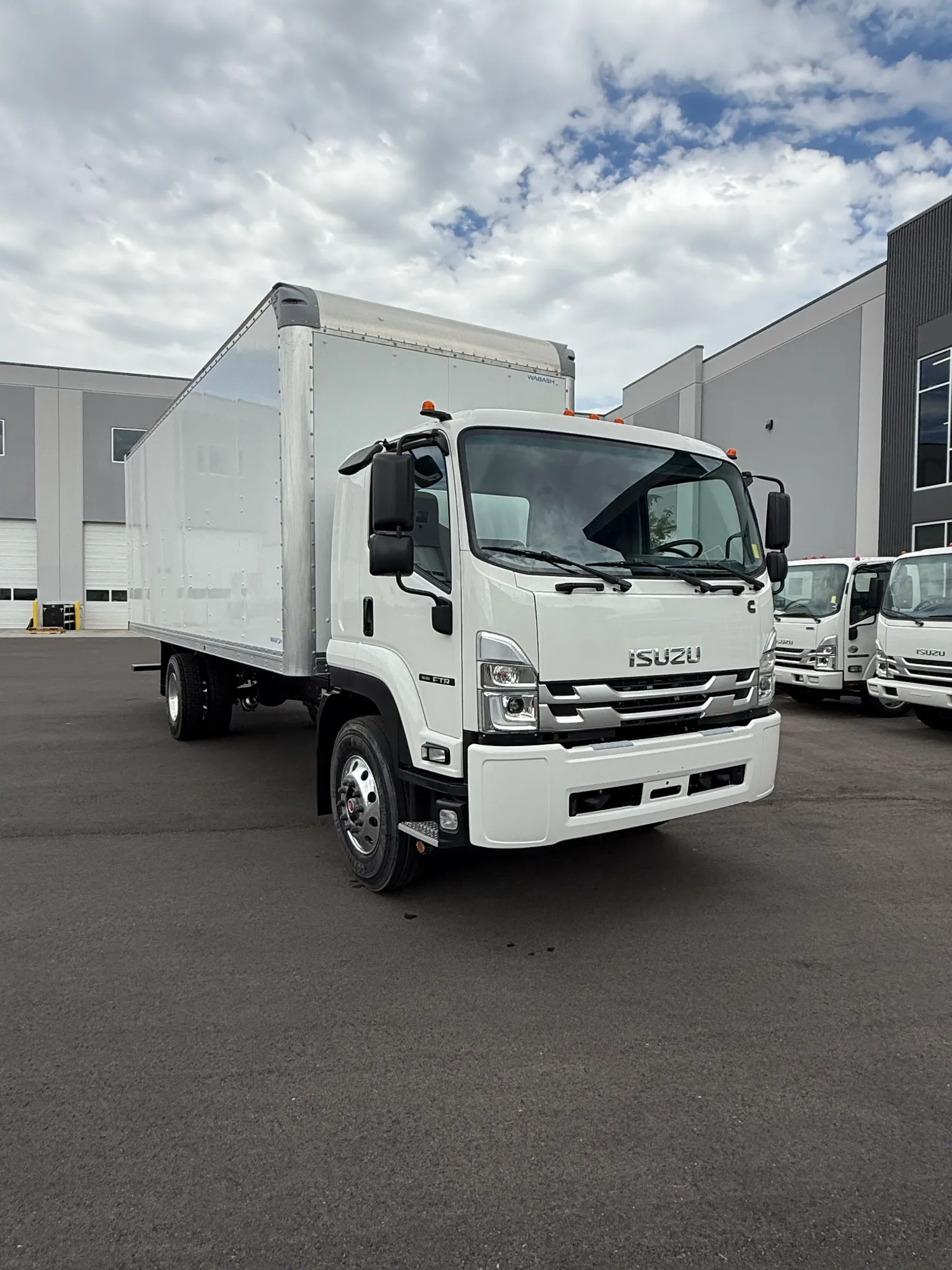
For many fleet operators and independent delivery businesses, holding onto an aging truck can feel like the most cost-effective decision. After all, the vehicle is paid off, familiar, and still technically operational. But what seems like savings on the surface can quickly turn into a costly liability. Whether you’re running a small delivery operation or managing a growing fleet of Isuzu trucks, knowing when to replace an aging vehicle is one of the most important financial decisions you’ll make.
The reality is simple: trucks don’t just get older—they get more expensive. And in today’s competitive logistics environment, those rising costs can quietly erode your profitability.
The True Cost of Keeping an Old Delivery Truck
At first glance, an older truck may seem like a smart financial choice. Without monthly payments, it seems like you’re saving money. However, the total cost of ownership tells a very different story.
Maintenance expenses are one of the highest hidden costs. As trucks age, repair frequency increases, and parts become more expensive and harder to source. In fact, data shows that once a truck passes the five-year mark, maintenance costs can rise by about 10% annually, resulting in nearly 50% higher lifetime maintenance costs.
Fuel efficiency is another factor. Older trucks—especially aging Isuzu trucks—often lack modern engine technology that improves fuel efficiency and reduces emissions. Over time, this leads to higher fuel costs that compound with every mile driven.
Then there’s downtime. Every hour a truck is off the road is lost revenue. Breakdowns not only disrupt schedules but can also damage customer relationships. When deliveries are delayed, clients notice—and they may not stick around.
Even more concerning is the exponential rise in operating costs. Vehicles over 10 years old can cost significantly more per mile to run than newer models, sometimes by as much as 35%.
What starts as a cost-saving decision can quickly spiral into a financial drain.
Warning Signs It’s Time to Replace Your Truck
Recognizing when to replace your delivery truck isn’t always straightforward, but there are clear indicators that it’s time to move on.
One of the most obvious signs is an increase in maintenance frequency. If your truck is spending more time in the shop than on the road, it’s no longer serving your business effectively. Repeated repairs—especially on critical components—signal that the vehicle is nearing the end of its lifecycle.
Another red flag is rising operating costs. When repair bills, fuel expenses, and downtime begin to exceed what a newer truck would cost to own, replacement becomes the smarter financial move.
Age also plays a critical role. While some Isuzu trucks are known for their durability, even the most reliable models have limits. Trucks that are 7 to 10 years old often reach a tipping point at which costs escalate rapidly.
Downtime is equally important. If breakdowns are causing missed deliveries or forcing you to rearrange routes, the impact goes beyond repair costs—it affects your reputation and customer trust.
Finally, consider safety and compliance. Older trucks may lack updated safety features or struggle to meet evolving emissions regulations. This not only increases risk but could also result in fines or operational restrictions.
The Balance Between Repair and Replacement
Deciding whether to repair or replace a truck ultimately comes down to the total cost of ownership. While repairs may seem cheaper in the short term, they often lead to higher long-term expenses.
A key concept here is the “replacement sweet spot.” Replace too early, and you lose value due to depreciation. Wait too long, and maintenance, downtime, and inefficiency costs outweigh any savings.
Smart fleet operators track metrics like cost per mile, maintenance history, and downtime frequency to determine the optimal replacement window. When these metrics cross a certain threshold, it’s a clear sign that holding onto the truck is no longer cost-effective.
This is especially relevant for businesses relying heavily on Isuzu trucks for daily operations. Even with their reputation for reliability, no truck is immune to wear and tear. Strategic replacement ensures that your fleet remains efficient, safe, and profitable.
Market Trends Driving Fleet Replacement
The decision to replace aging trucks isn’t just about individual business performance—it’s also influenced by broader market trends.
According to Monitor Daily's 2026 Market Outlook, heavy-duty truck sales are staying steady mainly because companies need to update their fleets.
This highlights a growing industry-wide recognition: aging fleets are becoming a liability. Many businesses delayed replacements in recent years due to supply chain disruptions and economic uncertainty. Now, those delays are catching up, creating a surge in demand for newer vehicles.
For operators using Isuzu trucks, this trend presents both a challenge and an opportunity. On one hand, increased demand can make it harder to secure new inventory. On the other hand, upgrading now can position your business ahead of competitors who continue to delay.
Working with trusted dealerships like Young Truck and Trailer Kaysville can make this transition smoother. With access to newer models and expert guidance, businesses can replace aging units before costs spiral out of control.
The Role of Technology in Modern Trucks
One of the most compelling reasons to replace an old delivery truck is the advancement in vehicle technology.
Modern Isuzu trucks come equipped with features that significantly improve efficiency and performance. From advanced fuel management systems to telematics and driver-assist technologies, these upgrades can reduce operating costs and enhance safety.
Telematics, for example, allows fleet managers to monitor vehicle performance in real time. This data can be used to optimize routes, reduce idle time, and identify maintenance issues before they become major problems.
Safety features such as collision-avoidance systems, lane-departure warnings, and improved braking systems also make newer trucks a safer choice for drivers and other road users.
In addition, newer trucks are designed to meet stricter emissions standards, helping businesses reduce their environmental impact while staying compliant with regulations.
When you factor in these benefits, the case for replacing an aging truck becomes even stronger.
Planning for a Strategic Replacement
Replacing a delivery truck shouldn’t be a reactive decision—it should be part of a long-term strategy.
The most successful fleet operators plan their replacements based on data rather than emergencies. This means setting clear benchmarks for when a truck should be retired, such as age, mileage, or cost thresholds.
A proactive approach allows businesses to budget for replacements, avoid unexpected downtime, and maintain consistent service levels.
It also provides more flexibility when choosing new vehicles. Instead of rushing into a purchase after a breakdown, you can take the time to evaluate options and select the right Isuzu trucks for your needs.
Partnering with experienced providers like Young Truck and Trailer Kaysville can help streamline this process. Their expertise ensures that you’re not just replacing a truck—you’re upgrading your entire operation.
Why Waiting Too Long Costs More
One of the biggest mistakes businesses make is waiting too long to replace their trucks. What starts as a cost-saving measure often turns into a financial burden.
Delaying replacement leads to higher maintenance costs, increased downtime, and lost revenue opportunities. It also limits your ability to take advantage of newer, more efficient technology.
In some cases, waiting too long can even impact your ability to operate. Older trucks may fail inspections, struggle with compliance, or become unreliable to the point where they can’t support your business needs.
The bottom line is clear: the longer you hold onto an aging truck, the more it costs you.
Know When to Let Go
Holding onto an old delivery truck might feel like the safe choice, but in reality, it can be one of the most expensive decisions your business makes. Rising maintenance costs, reduced efficiency, and increased downtime all add up—often faster than you realize.
If your current vehicle is showing signs of age, now is the time to evaluate your options. Upgrading to newer Isuzu trucks can improve reliability, reduce costs, and position your business for long-term success.
Don’t wait until a breakdown forces your hand. Take control of your fleet strategy today.
Contact Young Truck and Trailer Kaysville to explore your options, upgrade your fleet, and keep your business moving forward with confidence.

Leave a comment
This site is protected by hCaptcha and the hCaptcha Privacy Policy and Terms of Service apply.